



INTRODUCING SIGNDICT

A translation dictionary.
Two sign languages.

SignDict is a visual dictionary designed to help you translate between American Sign Language (ASL) and Japanese Sign Language (JSL). Discover signs, explore their meanings, and communicate across sign languages.

Japanese.
Sign Language

Discover Japanese Sign Language through a visual dictionary designed to make signs easier to explore and understand.

Hiragana provides a simple way to read and understand sign names. When a sign has a corresponding Kanji, its representation may appear alongside Hiragana.

Some signs may share the same Hiragana reading while having different meanings. Kanji helps distinguish these meanings when available.

For signs without an appropriate Kanji, Katakana may be used instead.

Each sign also includes indicators for its type and parts, helping you explore different variations and representations.
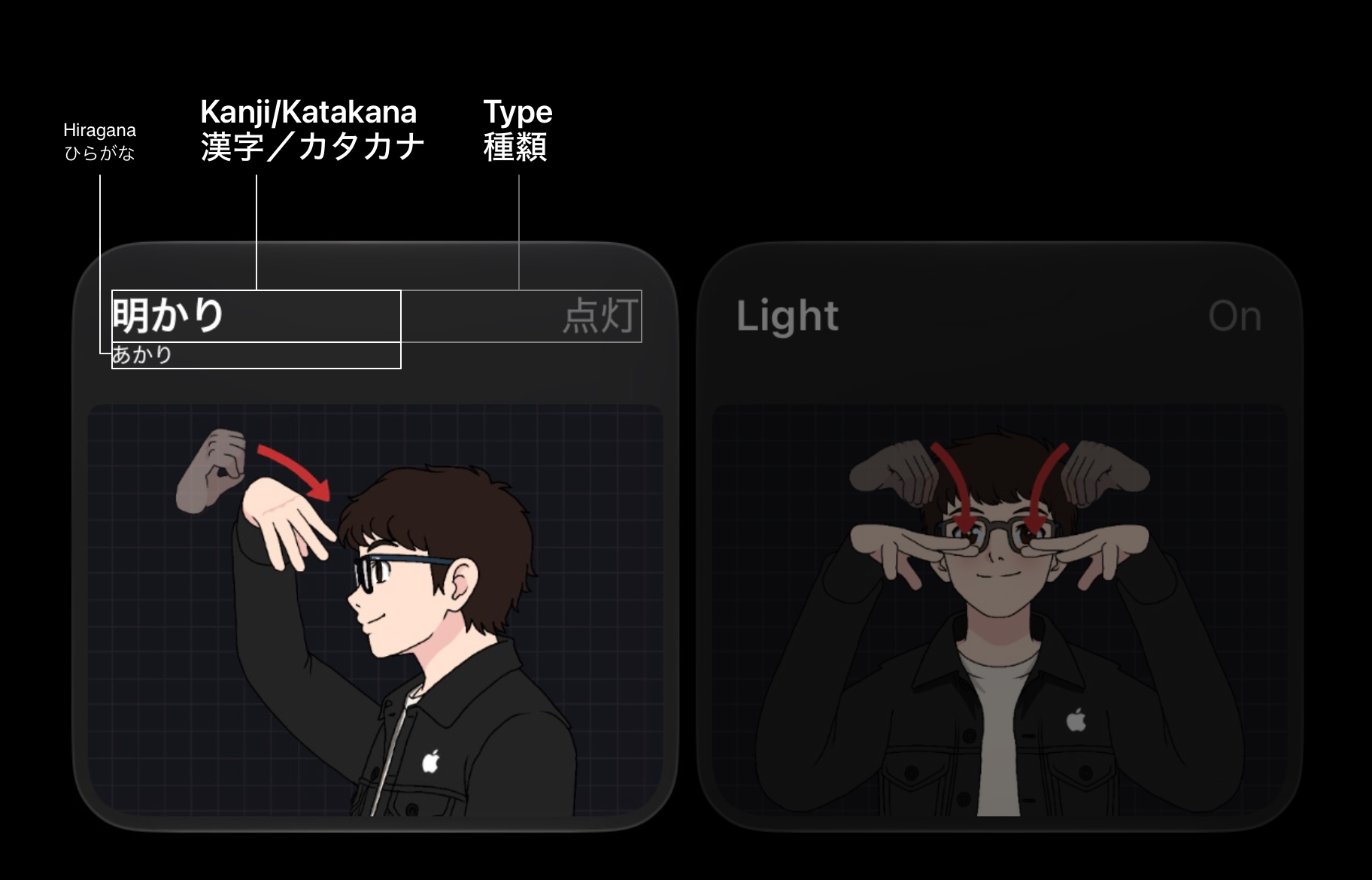
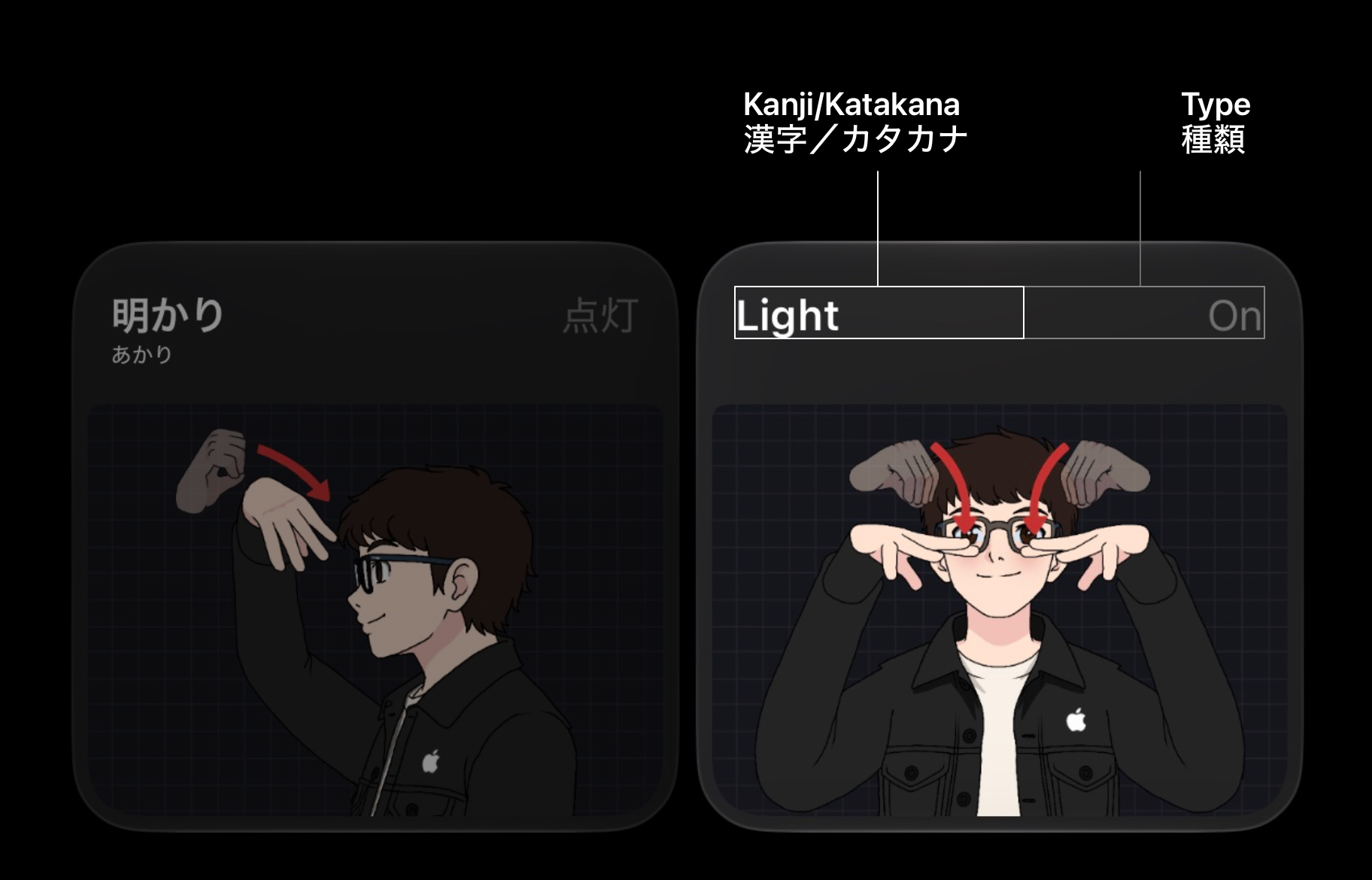
SignDict Japanese Sign Language dictionary showing Hiragana, Kanji, Katakana, and sign type indicators

American.
Sign Language

Discover American Sign Language through a visual dictionary designed to make signs easier to explore and understand.

SignDict translates the meaning of each sign into English, helping you understand its meaning and usage.

Some signs can have different meanings depending on the context. For example, “Hot” can describe touching something hot or hot weather.

Each meaning is organized by type, making it easier to distinguish between different contexts and uses of the same sign.

SignDict American Sign Language dictionary showing English meanings and sign types

Multiple
Meanings

One sign. Different words.

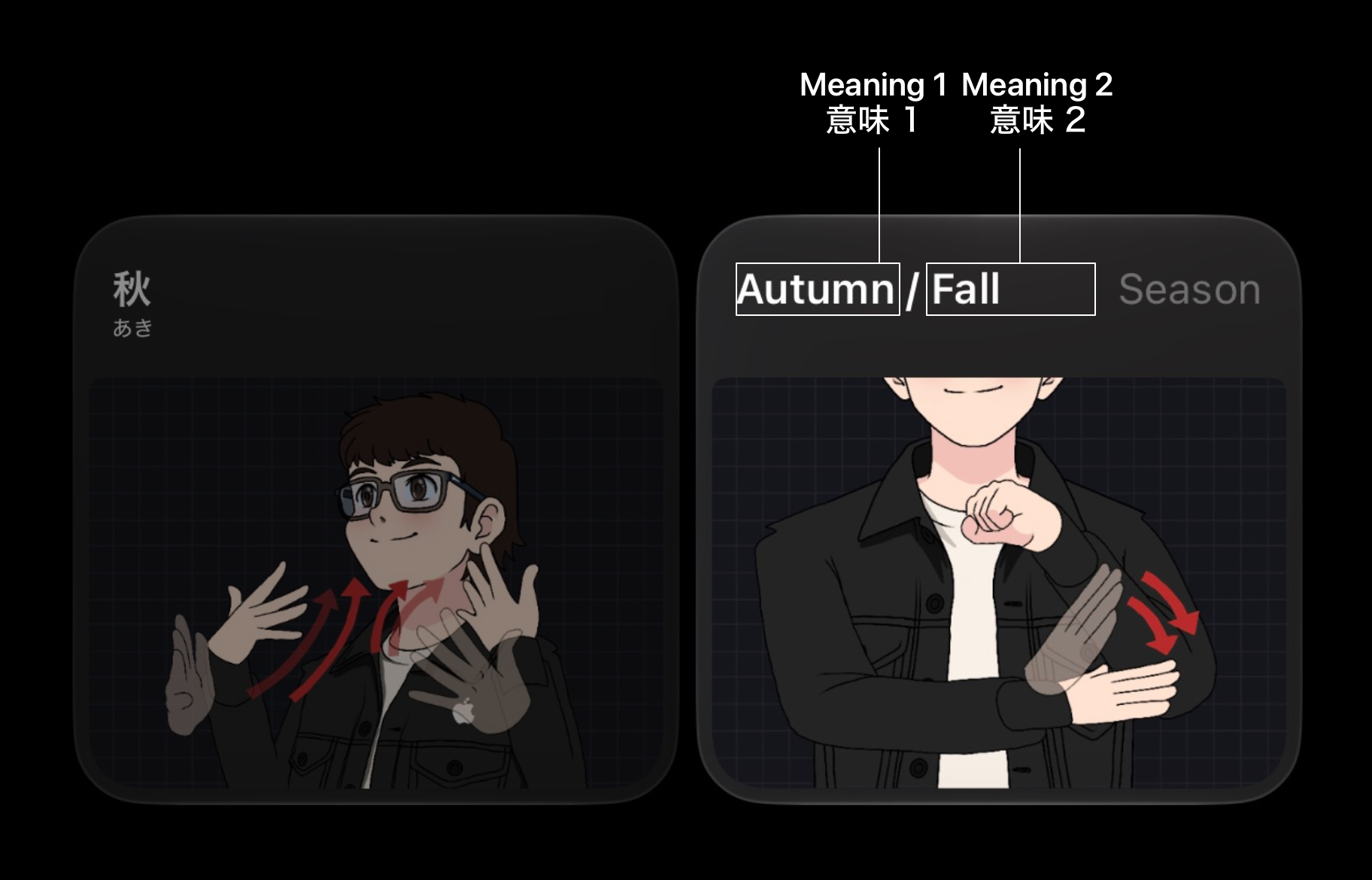
In American Sign Language (ASL), a single sign can represent multiple English words. The same can happen in Japanese Sign Language (JSL), in some cases.

SignDict showing how one sign can have multiple meanings